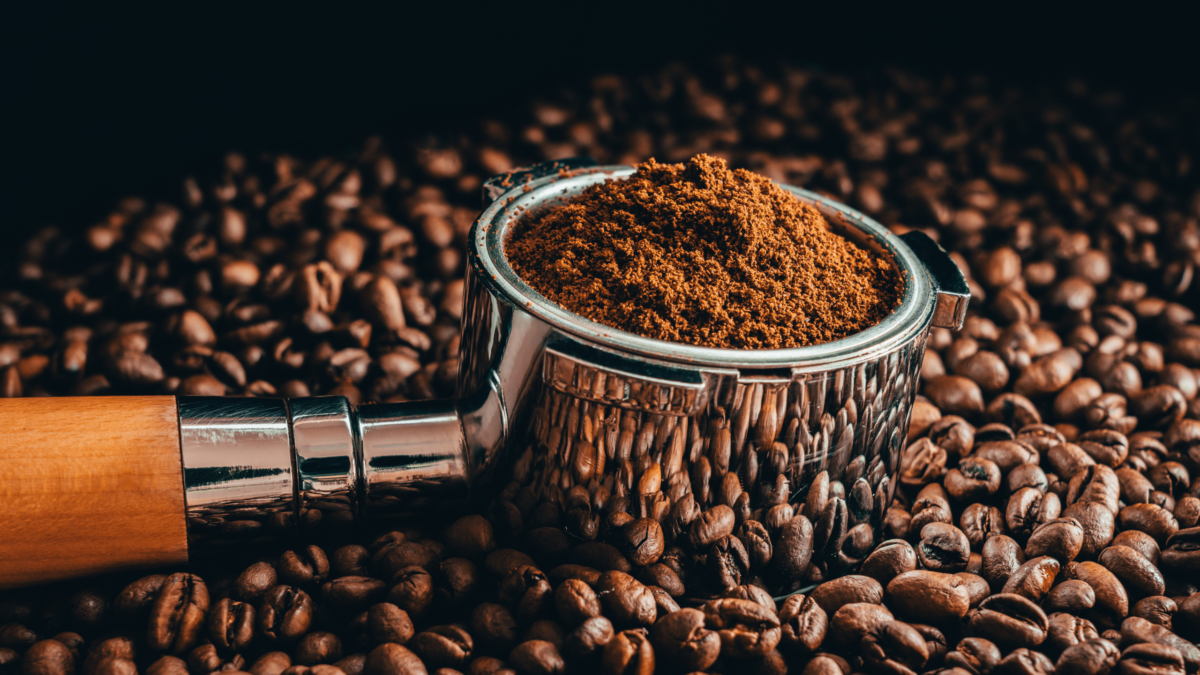
Scientists Discovered an Amazing Practical Use For The World's Leftover Coffee Grounds - ScienceAlert
Charred coffee grounds could make concrete up to 30 percent stronger, scientists in Australia have found.
Charred coffee grounds could make concrete up to 30 percent stronger, scientists in Australia have found.

One of the fundamental challenges of quantum computing is obtaining information from a quantum bit, or qubit. Unlike a conventional bit, which can be read repeatedly without altering its content, direct measurement of a quantum system typically causes the sta…
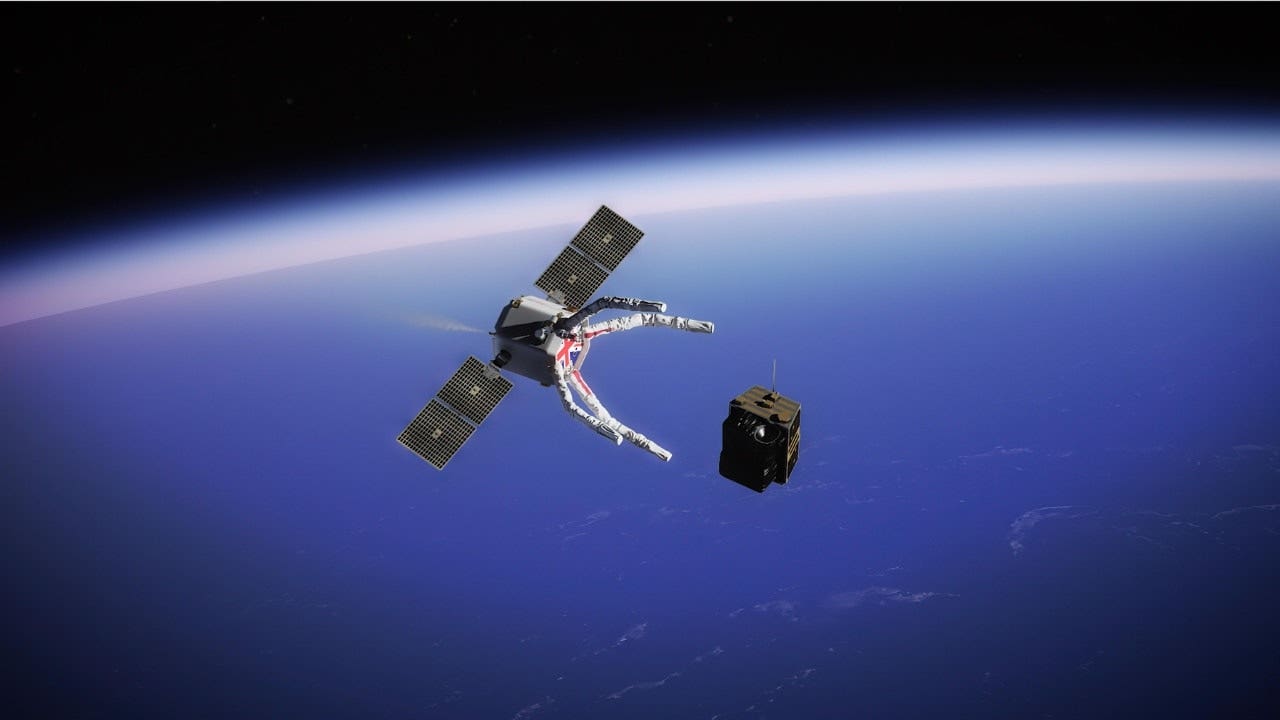
ClearSpace UK's robotic spacecraft with giant claws will chase down dead satellites at 17,000 mph, with a 2029 launch from Scotland planned.

Southern Africa has one of the most detailed and elaborate bodies of rock art anywhere in the world, from herds of running antelope to dancing men and humanoid beings with wings, hooves and horns. All are painted with fine brushstrokes or fingers. One thing t…
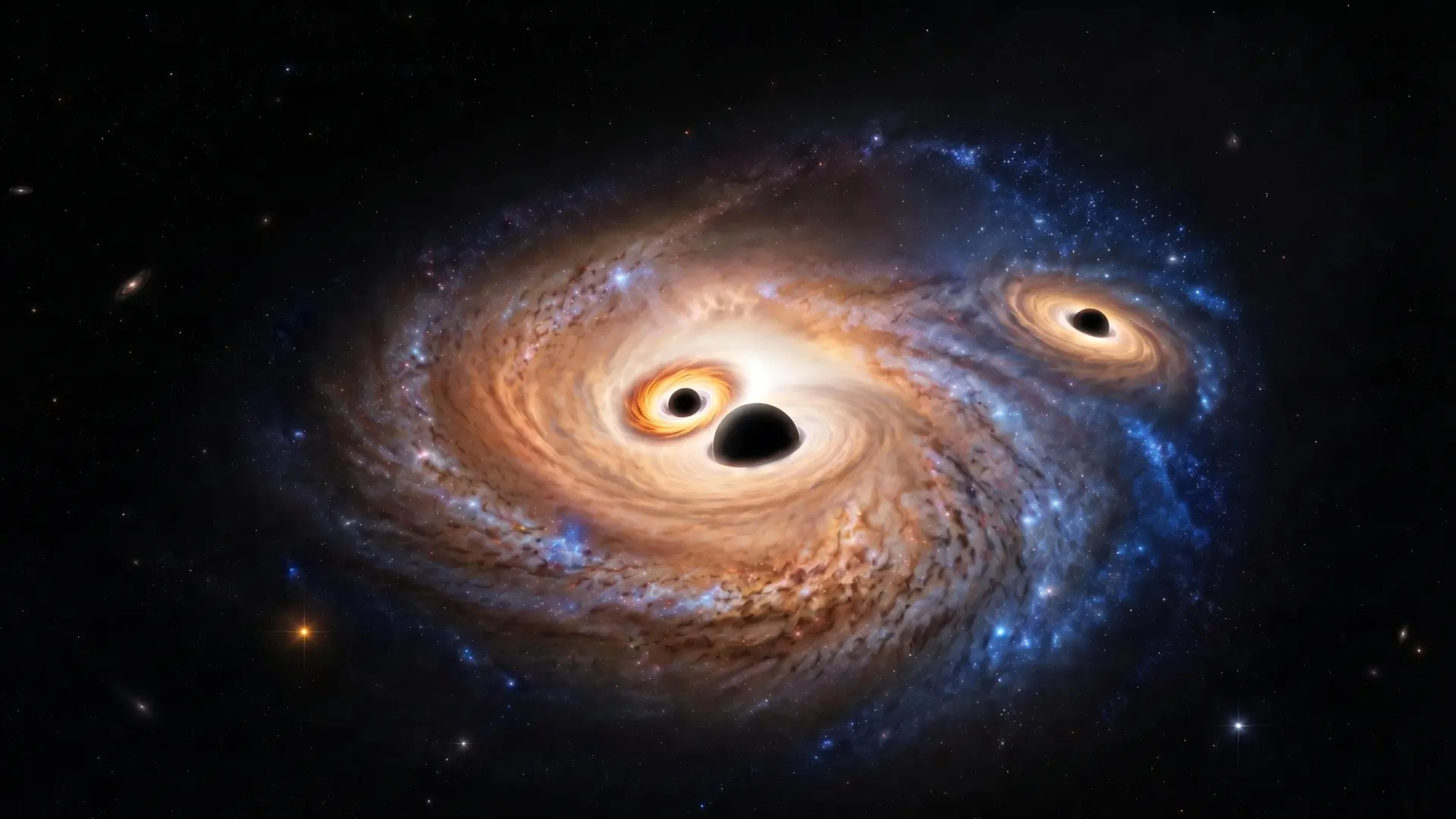
Astronomers have discovered three actively feeding black holes inside a single galaxy more than 12.5 billion light-years away, revealing a remarkable scene from the universe’s infancy. Two of the black holes are separated by just 620 light-years and are expec…
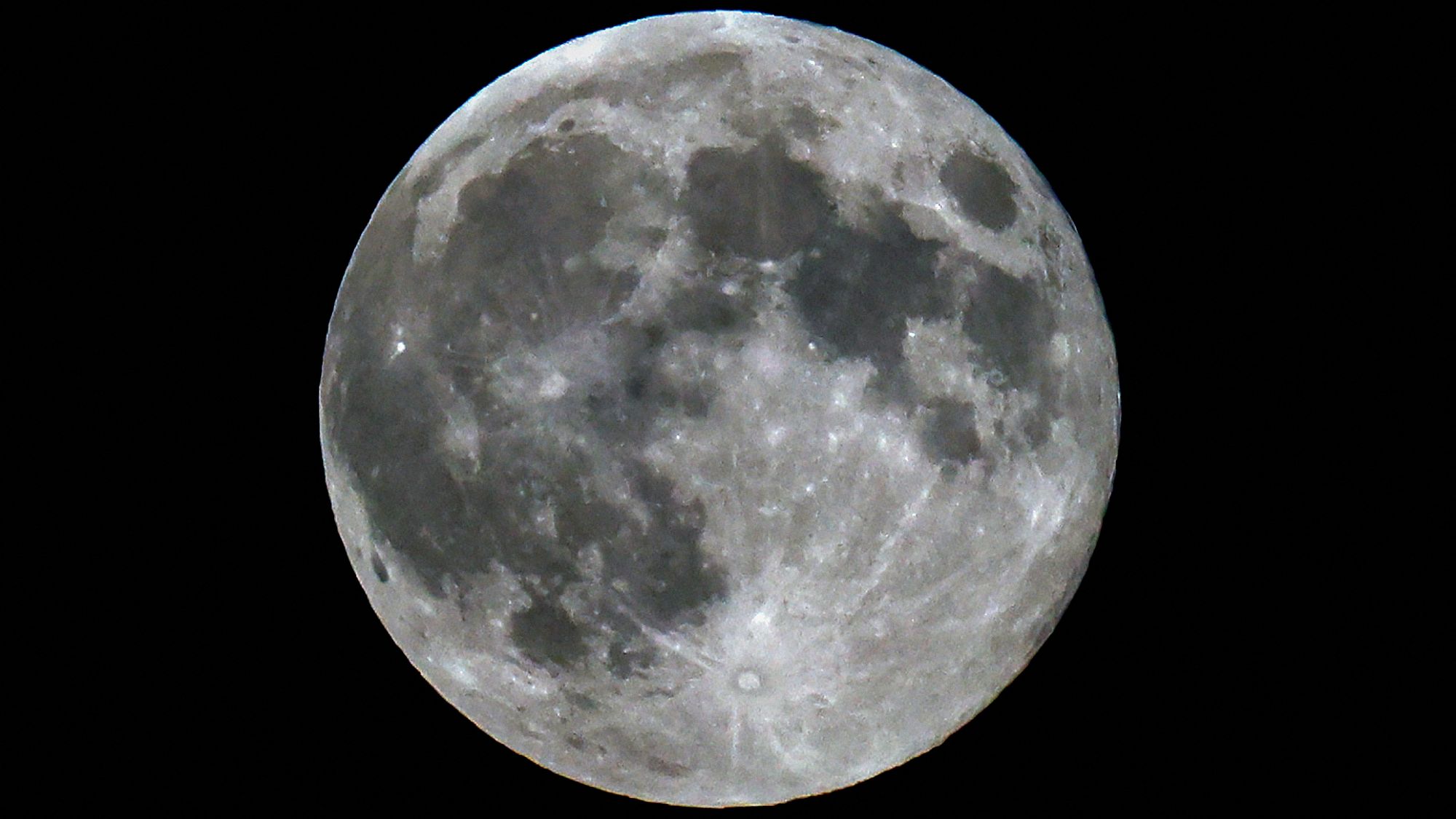
October's full moon takes to the autumn sky tonight. Here's when and where to look, and how it earned its nickname of the "Hunter's Moon."
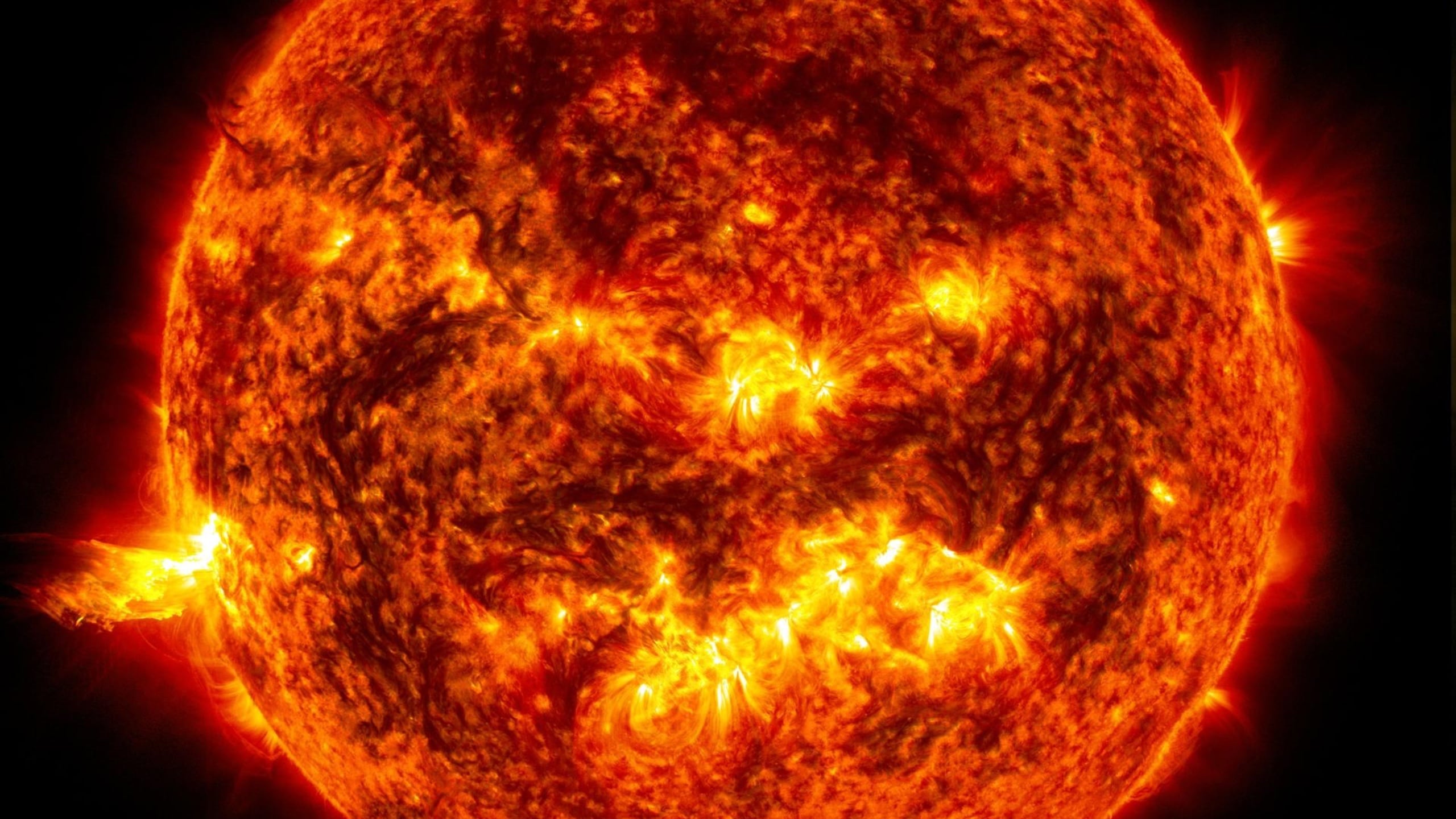
Move away from a fire, and you expect to feel cooler.

NASA administrator Jared Isaacman recently shared an update on the launch of Artemis III stating that the agency is on track for docking exercises with

Elon Musk’s ambition to establish a self-sustaining civilization of one million people on Mars faces skepticism from Nobel Prize-winning astronomer Michel Ma...